
In today’s digital world, smartphones aren’t just communication devices—they’re digital lifelines. From photos and contacts to business emails and sensitive documents, your phone stores a massive amount of personal and professional data. Yet, many users don’t take the necessary precautions until it’s too late.
Here are seven professional tips to help prevent data loss and keep your smartphone—and your digital life—secure.
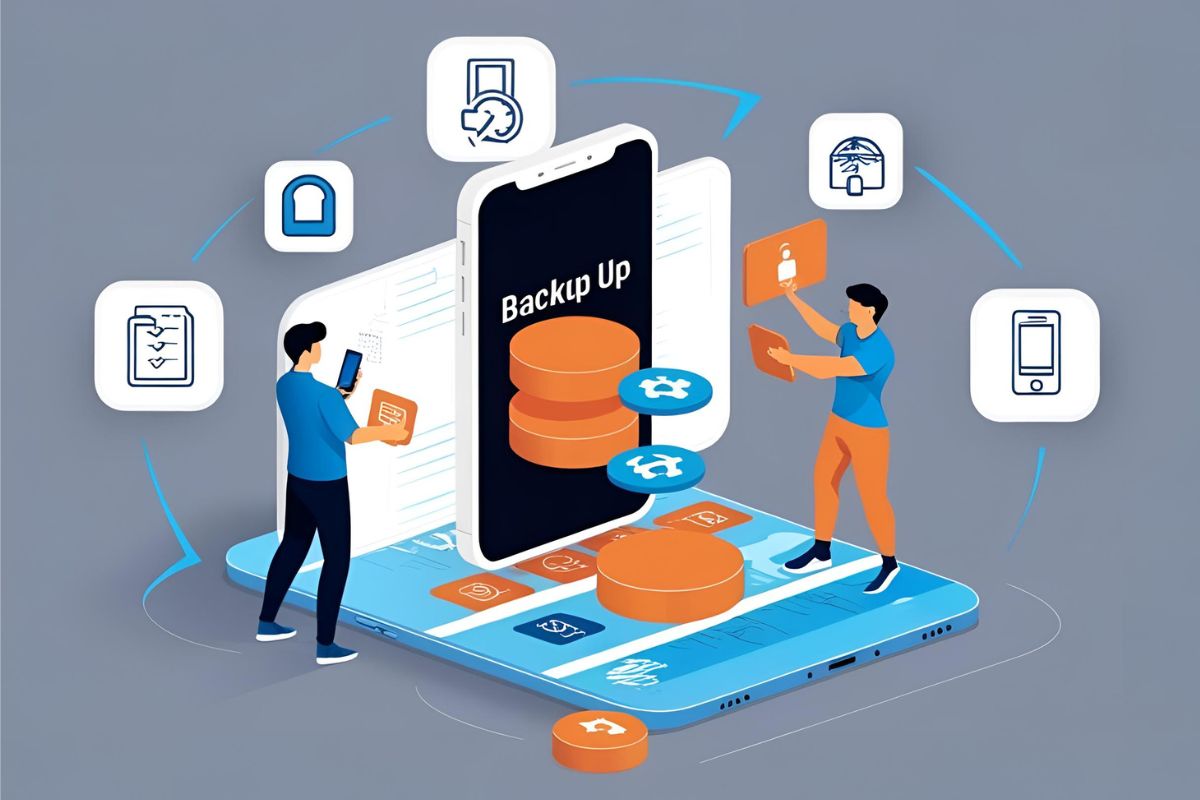
1. Back Up Your Data Regularly
Why it matters: A lost, damaged, or stolen phone can mean losing everything if you haven’t backed up.
Pro Tip: Enable automatic cloud backups. iPhones offer iCloud backup, while Android users can use Google Drive. For extra security, use a secondary backup like an external hard drive or backup software on a personal computer.
✅ Set backups to run daily over Wi-Fi to avoid data charges and keep everything current.
2. Use Strong Passwords and Two-Factor Authentication (2FA)
Why it matters: Weak passwords are a major vulnerability. If someone gains unauthorized access to your account, they could wipe or steal your data.
Pro Tip: Use a password manager to generate and store complex passwords. Wherever possible, enable 2FA—especially for your Apple ID, Google account, and cloud storage apps.
✅ 2FA significantly reduces the risk of data breaches and identity theft.
3. Keep Your OS and Apps Updated
Why it matters: Updates often include critical security patches that protect against vulnerabilities.
Pro Tip: Turn on automatic updates for your phone’s operating system and frequently used apps. Don’t postpone updates for convenience—outdated software is a common attack vector.
✅ Check for updates at least once a week if auto-updates are disabled.
4. Avoid Unverified Apps and Links
Why it matters: Malware and phishing attacks are increasingly targeting mobile devices.
Pro Tip: Only download apps from official app stores (Google Play Store, Apple App Store) and avoid clicking on suspicious links in texts, emails, or social media. If an offer looks too good to be true, it probably is.
✅ Install a reputable mobile security app for real-time protection.
5. Encrypt Your Device
Why it matters: Encryption protects your data if your phone is lost or stolen, making it unreadable without the decryption key (usually your password or fingerprint).
Pro Tip: Most smartphones are encrypted by default, but double-check under your security settings. Use secure screen lock methods like PIN, password, or biometrics—not just swipe patterns.
✅ Also, set your phone to auto-lock after a short period of inactivity.
6. Be Smart About Cloud Storage
Why it matters: Cloud storage can be a blessing or a liability depending on how it’s used.
Pro Tip: Don’t store sensitive data unprotected in cloud apps. Use encrypted storage platforms or secure folders. Review your cloud sharing settings regularly to ensure you’re not unintentionally sharing files with others.
✅ Disconnect old devices and unused apps from your cloud accounts.
7. Plan for the Worst: Use Remote Wipe Features
Why it matters: If your device falls into the wrong hands, a remote wipe can prevent data exposure.
Pro Tip: Enable Find My iPhone (Apple) or Find My Device (Android). These services let you locate, lock, or erase your phone remotely if it’s lost or stolen.
✅ Make sure this feature is set up before you need it—after the fact is too late.
Final Thoughts
Smartphones are powerful tools, but with power comes responsibility. Data loss can be disruptive at best and devastating at worst. These seven tips are easy to implement but provide strong protection against the most common risks.
Take the time today to back up, secure, and safeguard your device. A few proactive steps can make all the difference tomorrow.