

Losing your data can be stressful. Whether it’s family photos, business records, or important projects, every file matters. Fortunately, with fast and secure data recovery services, you can restore lost information and protect it from future loss. These services combine speed, skill, and safety to help you get back on track without risking your files.
When handled by professionals, even damaged drives and corrupted systems can often be repaired. Because of advanced tools and recovery methods, experts can extract data safely from nearly any device, including hard drives, SSDs, USBs, and mobile phones.
What Data Recovery Really Means
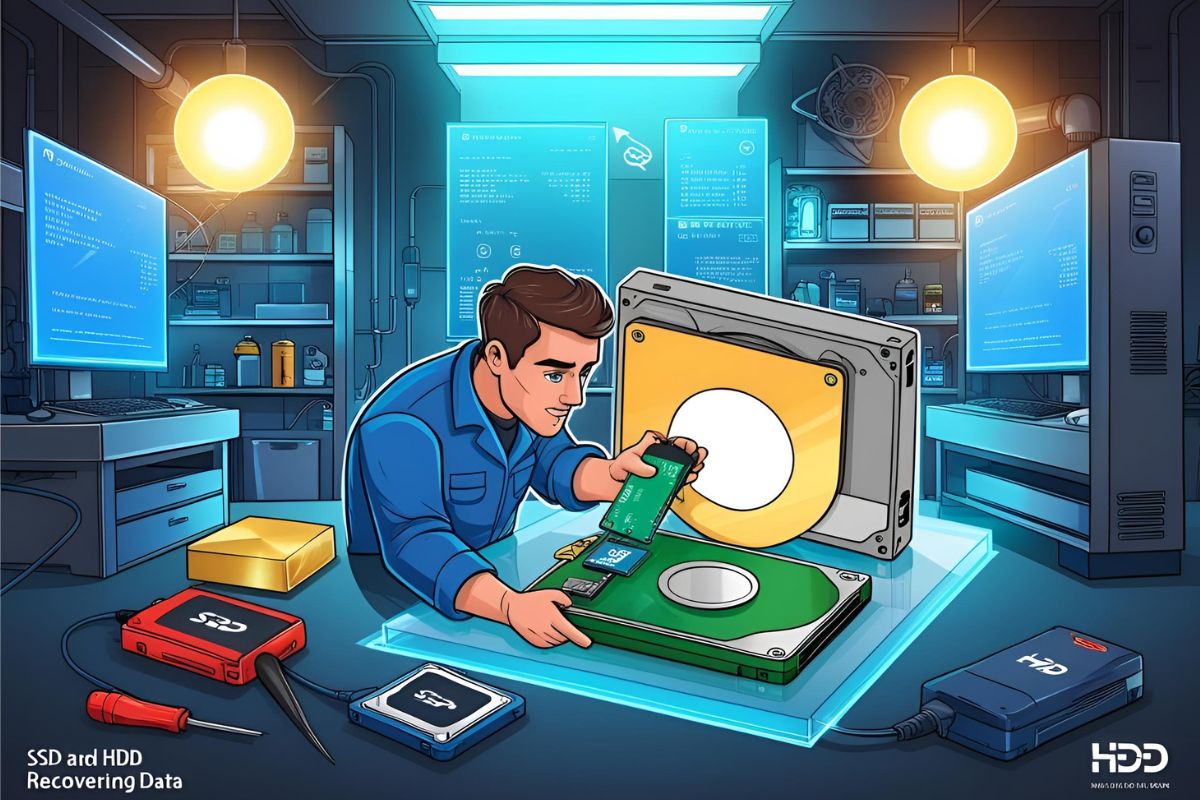
Data recovery is more than simply restoring deleted files. It’s the process of retrieving lost, damaged, or inaccessible data from digital devices. Professionals use advanced software and cleanroom technology to ensure every recovery is safe and reliable.
Since every device and failure type is different, recovery specialists follow structured procedures. They start with diagnostics, move through imaging, and finally reconstruct the missing data. Each step aims to restore files without causing further harm.
Most importantly, experts protect your information during the process. By using encryption and strict privacy standards, they keep your data secure from unauthorized access.
Why Data Loss Happens
Data loss can occur for many reasons. Often, it’s due to accidental deletion or a failing hard drive. However, power surges, malware infections, and corrupted software can also destroy important files. Even simple system crashes can erase weeks of work in seconds.
Because these risks are so common, prevention is vital. Regular data backups and updated antivirus tools can reduce potential damage. Still, when loss does occur, professional help remains the safest and fastest way to recover your files.
How the Recovery Process Works
Professional recovery begins with a detailed device inspection. Experts identify whether the damage is logical (software-related) or physical (hardware-related). After that, they create a clone of the device to prevent additional harm. Then, they analyze and rebuild your files using special forensic tools. Once the data is recovered, it’s verified for accuracy and securely delivered back to you.
Throughout this process, strict confidentiality rules apply because of that, businesses and individuals can trust recovery teams to protect private information while restoring it quickly and safely.
Speed Matters in Data Recovery
Time is a crucial factor in successful data recovery. The longer a drive stays damaged, the harder recovery becomes. Acting quickly prevents further data loss and increases success rates.
Many professional recovery labs offer emergency data recovery for urgent cases. These services often work around the clock to help clients recover data from critical systems or business servers. As a result, companies avoid downtime and stay productive even after major failures.
Security Is the Heart of Data Recovery
Security plays a major role in every recovery step. Since lost files often contain personal or sensitive business information, experts must protect them carefully. Leading recovery companies follow ISO/IEC 27001 standards to maintain privacy and security.
They use encrypted storage, restricted access areas, and audit trails to ensure no data leaks occur. Additionally, clients often receive signed confidentiality agreements for extra assurance. With this level of protection, your data remains private from start to finish.
Types of Devices Covered
Data recovery services work with many types of storage media, including:
- Hard drives and SSDs
- RAID servers and NAS systems
- External drives and USB flash devices
- Mobile phones and tablets
- Cloud and virtual storage
Each device type requires unique recovery techniques. That’s why professionals tailor their approach to suit the device’s condition and failure level. By doing so, they achieve higher recovery success rates while minimizing risk.
Why Businesses Depend on Data Recovery Services
For businesses, losing data can mean losing customers and revenue. Without quick recovery, operations may stop entirely. Professional recovery ensures companies restore critical information fast and maintain business continuity.
Moreover, data recovery experts also help design backup and disaster recovery strategies. These include regular backups, cloud storage, and security monitoring. By combining recovery with prevention, businesses reduce future risks and stay better protected against cyber threats.
DIY Recovery vs. Professional Help
Although many free recovery tools exist online, they often make things worse. Without technical knowledge, users might overwrite or permanently damage files. Professional recovery services, however, use specialized equipment that preserves data integrity.
Additionally, experts understand how to work safely with delicate hardware. They can repair drives in cleanrooms, something home users can’t replicate. Therefore, trusting professionals is the most reliable way to restore data without increasing the damage.
How to Choose a Reliable Data Recovery Provider
When selecting a recovery company, always look for:
- Proven success with multiple device types
- Data protection certifications (ISO/IEC 27001)
- Transparent pricing and recovery process
- Strong confidentiality policies
- Responsive customer support
Reliable providers offer more than technical recovery; they deliver peace of mind. Because of their expertise, you can trust that your information is handled with care and precision.
Conclusion
Data loss may seem like the end, but professional data recovery services make restoration possible. With the right experts, your lost files can be safely recovered, verified, and returned in no time.
By acting quickly, choosing a trusted service, and maintaining good backup habits, you can protect your information and prevent future loss. In today’s digital world, safeguarding data is not just smart, it’s essential.