

In the realm of data storage and recovery, firmware corruption represents a particularly complex and insidious problem. Unlike physical damage or logical file system errors, firmware corruption occurs at the very core of storage device operation—impacting the embedded software that controls hardware functionality. This subtle form of failure can render entire drives inaccessible, complicating recovery efforts and posing significant challenges to data recovery professionals. This article explores the nature of firmware corruption, its causes, the difficulties it presents, and the advanced solutions shaping modern data recovery practice.
What Is Firmware and Why Does Its Corruption Matter?
Firmware is specialized software permanently programmed into a storage device’s hardware—whether a hard disk drive (HDD), solid-state drive (SSD), or other storage media. It acts as the intermediary between the device’s hardware components and the host system, managing operations such as reading and writing data, error correction, and hardware diagnostics.
Firmware is critical because it orchestrates the storage device’s behavior. When firmware becomes corrupted, the device may fail to initialize properly or behave erratically, making the data stored within inaccessible, even if the physical media remain intact.
Common Causes of Firmware Corruption
Firmware corruption can result from several factors, including:
- Power Failures and Surges: Sudden power loss or unstable power supply during firmware updates or device operation can corrupt firmware data.
- Faulty Firmware Updates: Errors during official firmware upgrades, either from interrupted downloads or flawed installation processes.
- Manufacturing Defects: Rare but possible defects or bugs in the original firmware code released by manufacturers.
- Malware and Cyberattacks: Some sophisticated malware targets firmware to gain persistent access or sabotage hardware.
- Wear and Tear: Over time, storage devices can develop faults in the non-volatile memory chips storing firmware.
- Environmental Factors: Extreme temperatures, humidity, or electromagnetic interference can degrade firmware integrity.
Challenges Posed by Firmware Corruption in Data Recovery
Recovering data from devices suffering firmware corruption presents unique obstacles distinct from those seen in physical or logical failures:
1. Device Inaccessibility
Since firmware governs the device’s ability to communicate with the host system, corrupted firmware often results in the device not being recognized at all or presenting inconsistent behavior such as repeated device resets or incorrect reporting of capacity.
2. Complex Diagnostic Requirements
Identifying firmware corruption demands specialized tools and techniques beyond standard data recovery software. Technicians must often analyze low-level device information, interpret proprietary diagnostic codes, and isolate firmware modules responsible for the malfunction.
3. Proprietary Firmware Architecture
Firmware is typically proprietary and closely guarded by manufacturers, limiting third-party access to official tools and technical documentation. This lack of transparency complicates the reverse engineering process necessary to repair or replace corrupted firmware.
4. Risk of Permanent Damage
Attempting DIY fixes or unverified firmware repairs can cause irreversible damage, including overwriting critical device firmware sectors or damaging the storage media’s controller, further reducing the likelihood of successful recovery.
Modern Solutions and Techniques in Firmware Recovery
Advancements in data recovery technology and methods have improved the ability to handle firmware corruption cases:
1. Firmware Repair and Reflashing
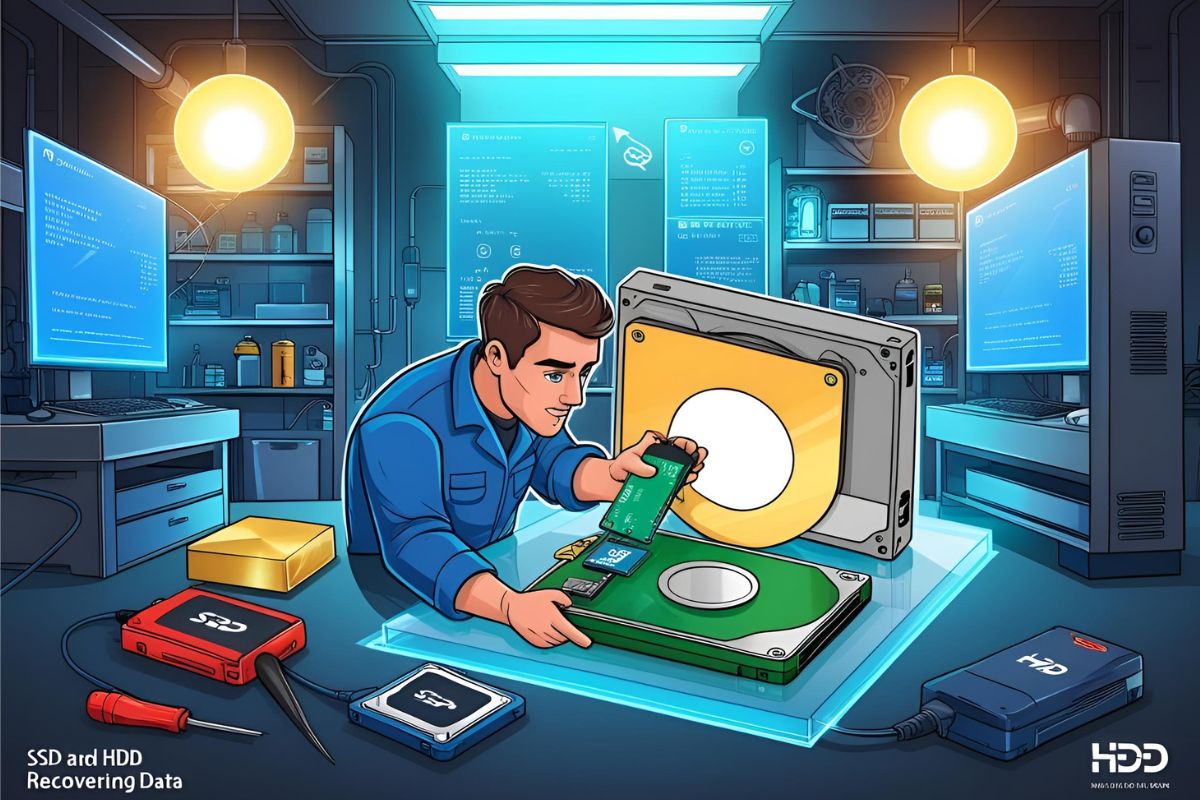
Professional data recovery labs employ specialized equipment capable of direct communication with the device’s controller chips. Using these tools, technicians can extract the current firmware, analyze its state, repair corrupted modules, or reflash the device with a known good firmware image. This process restores normal device functionality, enabling data access.
2. Controller Board Swapping
In some cases where firmware corruption is severe and irreparable, replacing the device’s logic board (controller board) with an identical donor board containing intact firmware can restore operation. This method requires precise board matching and occasionally transferring unique configuration data or ROM chips from the original board to the replacement.
3. Firmware Emulation
Emerging techniques involve creating a virtual firmware environment, where corrupted firmware code is emulated on external hardware or software platforms. This allows data recovery specialists to bypass faulty firmware and access the storage media directly.
4. Advanced Diagnostic Software
Proprietary and open-source diagnostic tools capable of interfacing at the firmware level aid in pinpointing corruption causes and guiding repair efforts. These tools often support recovery of embedded firmware partitions and manipulation of device microcode.
5. Collaboration with Manufacturers
Increasingly, data recovery companies establish partnerships with hardware manufacturers to gain access to firmware source code, official repair utilities, and technical support. Such collaboration significantly improves success rates in firmware-related recoveries.
Best Practices for Preventing Firmware Corruption
While some firmware corruption causes are unavoidable, adherence to best practices can minimize risks:
- Avoid Interrupting Firmware Updates: Ensure uninterrupted power supply and stable connection when performing firmware upgrades.
- Use Manufacturer-Approved Updates: Only install firmware versions officially released and verified by the device manufacturer.
- Implement Power Protection: Utilize uninterruptible power supplies (UPS) and surge protectors for critical systems.
- Maintain Environment Controls: Protect devices from extreme temperature, humidity, and physical shocks.
- Regular Backups: Maintain comprehensive and up-to-date backups, ensuring data availability even if firmware corruption occurs.
Conclusion
Firmware corruption stands as a particularly challenging frontier in the field of data recovery. Its ability to disrupt the fundamental communication between storage devices and host systems requires sophisticated diagnostic, repair, and recovery techniques. Modern solutions—from firmware reflashing to controller board replacement—have significantly improved recovery outcomes, yet these processes remain highly technical and demand expert handling. Organizations and individuals alike must recognize the critical importance of preventive measures, regular backups, and professional intervention when firmware issues arise. As storage technology continues to evolve, so too will the methods and tools to combat firmware corruption, safeguarding access to invaluable digital assets.