

Data loss can strike at any time — whether it’s due to accidental deletion, hardware failure, a corrupted drive, or malware. In our digital world, losing important files, photos, or business data is more than an inconvenience; it can be catastrophic. That’s when the question arises: Should you attempt to recover the data yourself or hire a professional data recovery service?
This article will walk you through the pros and cons of both DIY and professional data recovery, helping you make an informed decision based on your specific situation.
Understanding Data Loss: The Common Causes
Before deciding on a recovery method, it’s important to understand how data loss happens. Common causes include:
- Accidental deletion or formatting
- Mechanical or electronic hardware failure
- Corrupted file systems
- Power surges or outages
- Water/fire damage
- Malware or ransomware attacks
Each cause can lead to different types of data loss, and not all recovery methods are appropriate for every scenario.
DIY Data Recovery: Pros and Cons
✅ Pros of DIY Data Recovery
1. Cost-Effective:
DIY tools are often inexpensive or even free. If the data loss is minor, such as accidentally deleted files or a corrupted USB drive, free software might be all you need.
2. Convenient and Fast:
You don’t have to wait for an appointment or service turnaround. If you’re tech-savvy, you might recover your data within minutes.
3. Learning Opportunity:
If you’re curious about how storage systems work, trying your hand at DIY recovery can be a valuable learning experience.
❌ Cons of DIY Data Recovery
1. Risk of Permanent Data Loss:
Using the wrong software or mishandling a failing drive can make data unrecoverable. This is especially true for physical damage or failing hardware.
2. Lack of Tools for Complex Failures:
DIY software can’t address physical damage or advanced data corruption. Specialized equipment and cleanroom environments are needed for such cases.
3. No Guarantees:
DIY tools often work on a “best-effort” basis. There’s no guarantee you’ll get your data back, and no support if something goes wrong.
Professional Data Recovery: Pros and Cons
✅ Pros of Professional Recovery Services
1. Higher Success Rate:
Professional labs use specialized tools and certified cleanrooms, which greatly increase the chance of recovering data — especially from damaged or failed devices.
2. Safe Handling of Hardware:
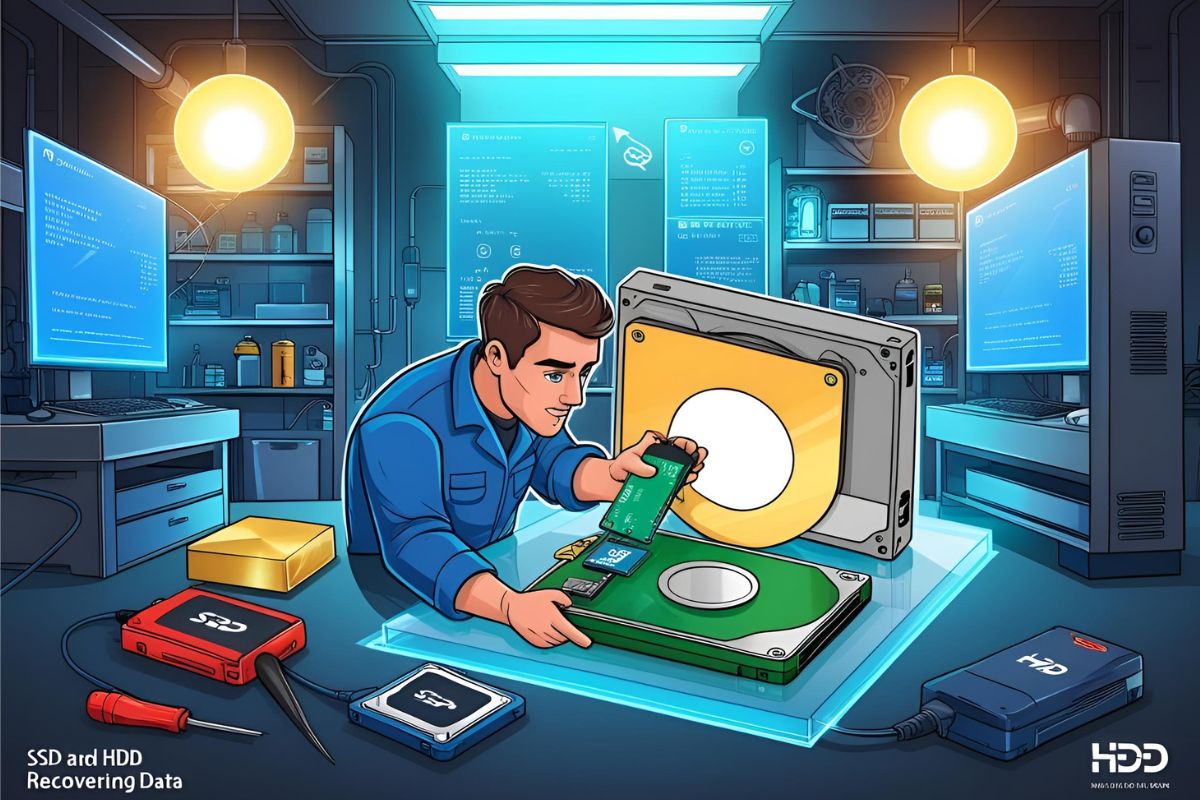
Professionals follow strict protocols to avoid further damage. They can safely dismantle hard drives, replace components, and recover data in a controlled environment.
3. Support and Diagnosis:
Reputable services provide detailed diagnostics and offer guidance on what can or cannot be recovered before you commit to the process.
4. Data Security and Confidentiality:
Professional services follow strict privacy protocols, especially important for sensitive business or personal data.
❌ Cons of Professional Recovery Services
1. Cost:
Professional recovery can be expensive — ranging from a few hundred to several thousand dollars depending on complexity.
2. Turnaround Time:
It may take days or weeks to get your data back, especially if specialized work is required.
3. Not Always Necessary:
If your issue is a simple software glitch or accidental deletion, paying for professional help might be overkill.
When to Use DIY vs. Professional Services
| Scenario | DIY Recovery | Professional Recovery |
|---|---|---|
| Files accidentally deleted | ✅ | ❌ (Not needed) |
| Formatted or corrupted USB/SD cards | ✅ (with caution) | ❌ (unless critical) |
| Drive making clicking or grinding noises | ❌ | ✅ |
| Device exposed to water/fire | ❌ | ✅ |
| Ransomware attacks or encrypted files | ❌ | ✅ |
| Crucial business or legal data | ❌ | ✅ |
| You need a guaranteed outcome | ❌ | ✅ |
Final Thoughts: Which Should You Choose?
Choosing between DIY and professional data recovery ultimately comes down to the value of the lost data, the type of failure, and your level of technical expertise.
- If the data is not critical and the device is still functioning normally, a reputable DIY tool may be worth trying.
- If the data is irreplaceable, business-critical, or the device shows signs of hardware failure, it’s best to consult a professional immediately.
Attempting DIY recovery on a physically damaged drive can significantly reduce the chances of successful recovery — and potentially make the data unrecoverable even by professionals.
When in doubt, get a free diagnostic from a trusted data recovery provider. Many offer evaluations at no cost, and you can then decide whether to move forward based on their findings.
Pro Tip: Prevention Is Always Best
To avoid future data loss:
- Back up regularly to external drives and cloud storage.
- Use surge protectors to guard against power-related damage.
- Install reliable antivirus software.
- Handle storage devices carefully and avoid physical shocks.
If you’re facing a data loss crisis, don’t panic — assess the situation, and weigh the risks and rewards of each approach. Sometimes the smartest DIY step you can take is knowing when to call a pro.