
When it comes to storing data, Solid State Drives (SSDs) and Hard Disk Drives (HDDs) dominate the market. But what happens when that data is accidentally deleted, corrupted, or lost? If you’re facing a potential data recovery situation, it’s important to know that not all storage is created equal.
So—which is easier to recover data from: SSDs or HDDs?
Let’s break it down.
Understanding the Technology
HDD (Hard Disk Drive):
- Mechanical device with spinning magnetic platters.
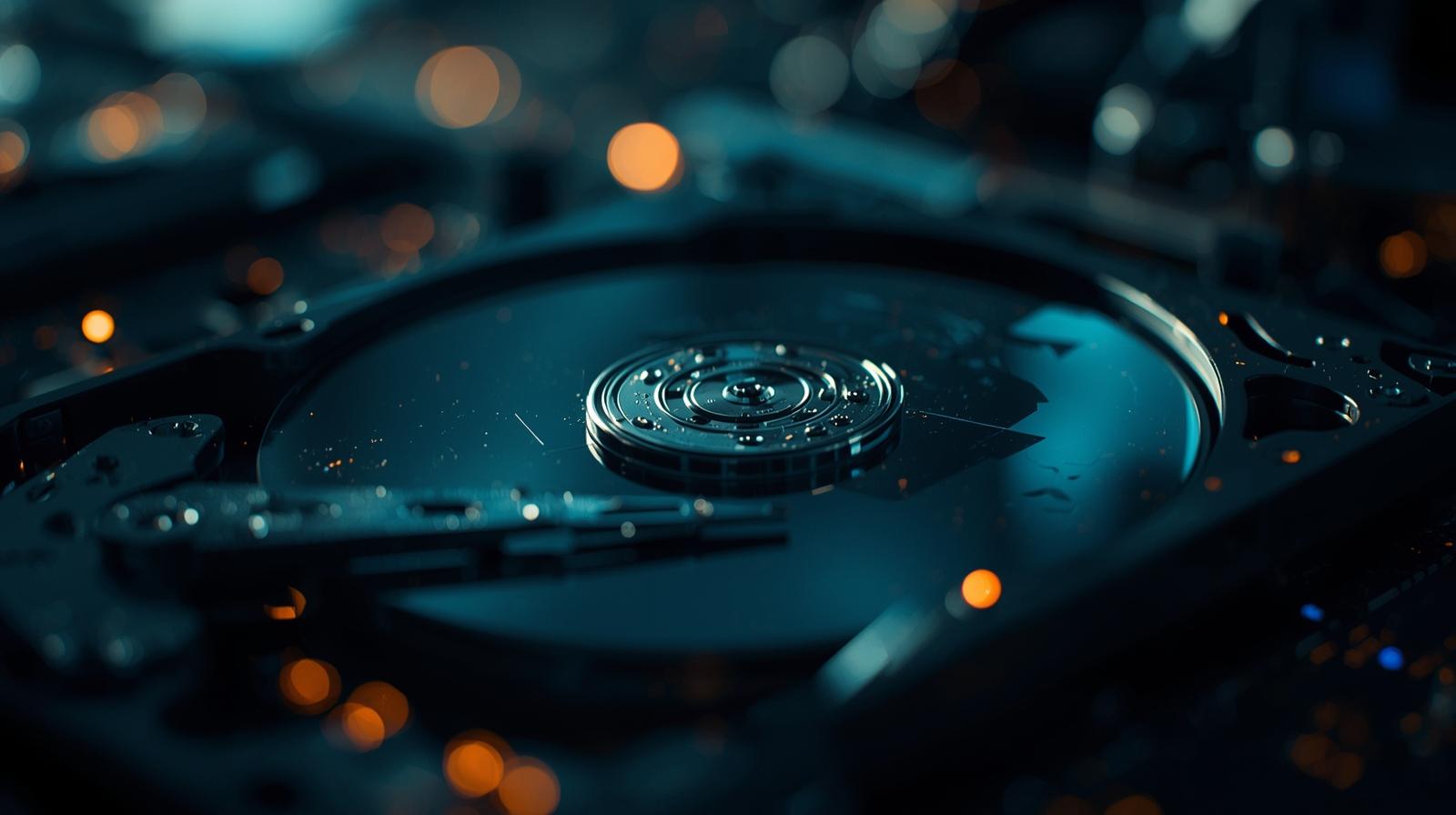
- Data is written and read with a physical arm.
- Typically slower, but long used in desktops and laptops.
SSD (Solid State Drive):
- No moving parts; uses NAND flash memory to store data.
- Faster read/write speeds, more resistant to physical shock.
Data Recovery: The Core Differences
HDDs: Easier to Recover From
HDDs are generally easier to recover data from, especially if the issue is accidental deletion, corruption, or mild physical damage.
Why?
- Deleted data is often not immediately overwritten.
- Specialized tools can scan platters for recoverable data.
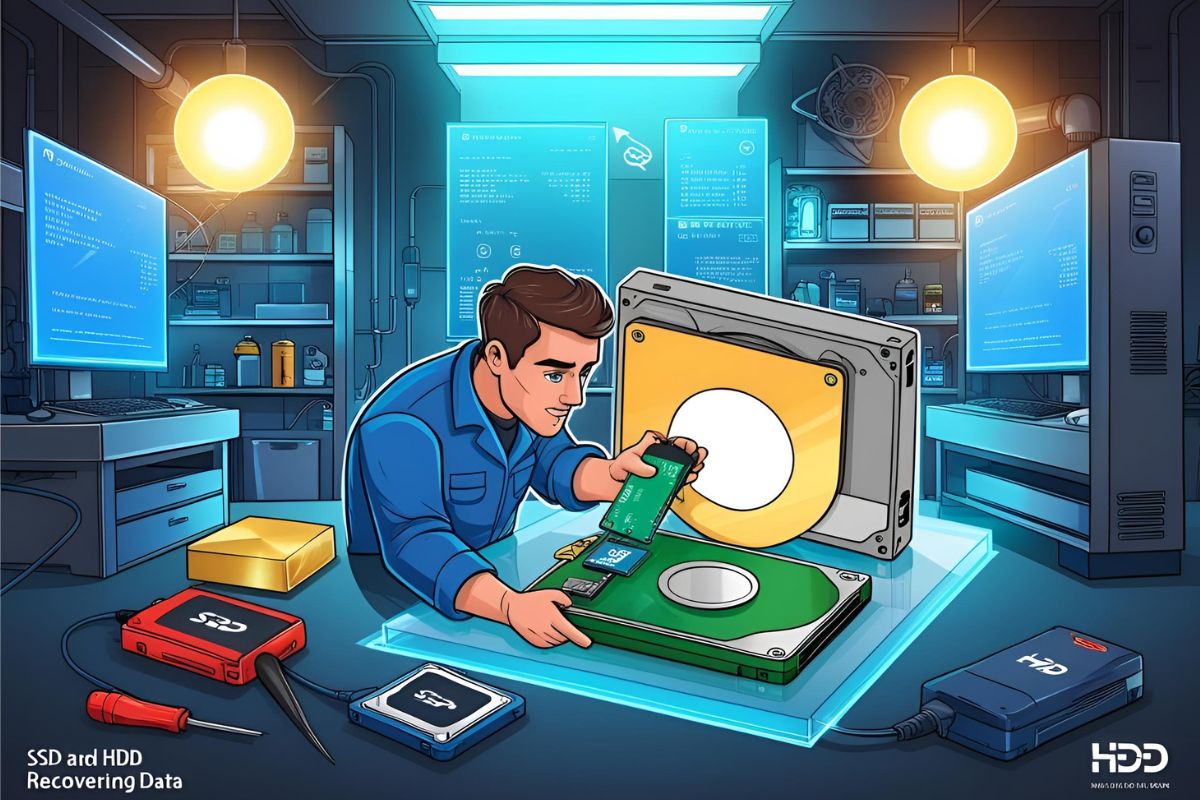
- Mechanical failures can often be resolved in clean-room environments.
Recovery Success Rate: High in many cases—especially when the drive is still spinning.
SSDs: More Complex to Recover
Recovering data from SSDs is more challenging, particularly due to how they manage and erase data.
Why?
- TRIM Command: Actively erases deleted data blocks to maintain performance, making recovery nearly impossible once TRIM has been executed.
- Wear-leveling and encryption complicate how data is stored and accessed.
- Data can be permanently erased within seconds of deletion.
Recovery Success Rate: Moderate to low, unless a backup or snapshot was made before the loss.
What If the Drive Is Physically Damaged?
- HDDs: Physical recovery is often possible with specialized equipment.
- SSDs: Physical recovery is trickier; if the memory chips are damaged, recovery becomes extremely difficult or even impossible.
Which Is Safer for Long-Term Storage?
While SSDs are faster and more durable, HDDs are often better for cold storage (data archived and left untouched). SSDs can degrade over time without power, especially cheaper models.
Final Verdict: HDDs Are Easier to Recover From
If your priority is the ability to recover lost data, HDDs are the more forgiving option. Their data structure and lack of aggressive garbage collection make them better suited for recovery in most scenarios.
📌 Best Practice: Regardless of drive type, always keep regular backups. Cloud storage, external drives, and automatic backup software can save you from worst-case scenarios.