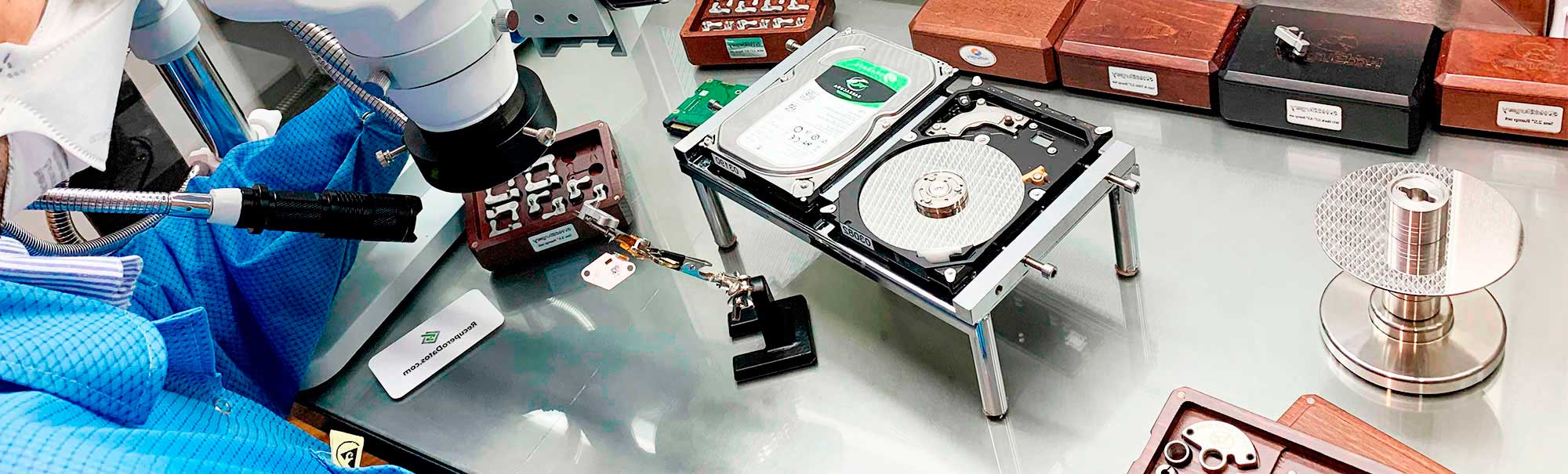

When faced with hard drive failure, understanding the cause is the first step toward recovery. Failures typically fall into three categories: logical failure, electronic issues, or mechanical damage.
Common Causes of Hard Drive Failure
1. Logical Failures
Logical failures occur when there are issues with the boot sector or file system, preventing the operating system from loading. If your system doesn’t boot, try the following:
- Boot from an external disk to diagnose issues.
- Check for bad sectors on the drive.
- Use specialized software for recovery.
2. Power-Related Electronic Failures
Sudden power loss can damage the circuit board of a hard drive. To diagnose electronic failure:
- Turn off and unplug your device.
- Remove the PC case or laptop cover.
- Inspect for burnt components or signs of overheating.
- Avoid touching the circuit board directly to prevent static damage.
- If damage is found, seek professional repair services.
3. Mechanical Failures
Mechanical failures often result from physical damage, such as drops, water exposure, or wear and tear. Warning signs include:
- Clicking noises from the drive.
- Inability to access data.
- System freezing or crashing.
In most cases, mechanical failures require professional intervention. Look for a data recovery service with a “No Data, No Charge” policy to ensure you only pay if your files are successfully recovered.
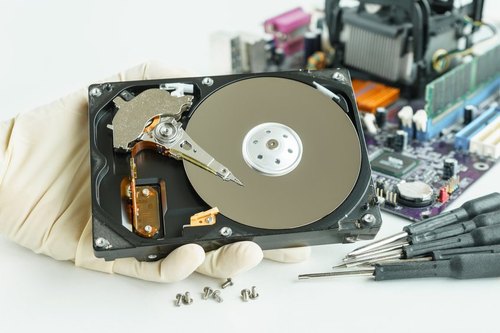
Essential Data Recovery Tips
If your hard drive has failed or is failing, follow these expert recommendations:
- Use Firewalls & Antivirus Software: Prevent malware and virus-related data loss.
- Avoid Defragmentation on a Failing Drive: Running a disk defragmenter can overwrite lost data.
- Start with Recovery Software: Before attempting physical repairs, use a data recovery program to maximize retrieval chances.
- Do Not Use Disk Repair Utilities: Tools like Scandisk, CHKDSK, or Norton Disk Doctor can worsen the problem.
- Try Safe Mode & System Restore: If your PC won’t boot, Safe Mode and System Restore may resolve software issues.
- Choose the Right Recovery Software: Ensure the software supports your file system (NTFS, FAT32, etc.).
- Backup Important Data: Regular backups are the best way to prevent data loss.
- Avoid Writing to a Failing Drive: If the hard drive is unstable, any new write operation can make recovery harder.
Preparing for Professional Data Recovery
If DIY recovery fails, a professional service may be necessary. Before contacting a data recovery specialist, gather the following information:
- Your operating system version.
- Symptoms of failure (clicking noises, slow performance, etc.).
- Whether the drive is recognized by the system.
Final Thoughts
Recovering data from a hard drive depends on the nature of the failure. While software solutions may work for logical errors, mechanical or electronic failures often require expert intervention. If you’re unsure about the next steps, consider reaching out to a professional data recovery service. Many companies offer free diagnostics, ensuring you understand your options before committing to a recovery plan.
Know More : http://www.conselldelsolsones.org/