
In the world of digital storage, most of us think about hard drives, SSDs, or external drives as mechanical or electronic objects. What often goes unnoticed is the software running silently inside these devices, the firmware. Acting as the brains of a storage device, firmware controls how data is read, written, and maintained. When firmware becomes corrupted, the results can be catastrophic: drives may fail to start, files may vanish, and standard recovery methods often fall short.
What Makes Firmware So Important?
Firmware is embedded software programmed directly into a device’s controller. Unlike operating systems or applications, it exists at the hardware level. It governs critical operations like:
- Coordinating read/write processes.
- Managing error correction and internal diagnostics.
- Communicating with the host system.
When firmware is corrupted, a storage device may appear dead, behave unpredictably, or misreport its capacity. Importantly, the data itself might remain intact, but inaccessible until the firmware issue is addressed.
Common Causes of Firmware Corruption
Firmware corruption can arise from a variety of sources, often outside the user’s control:
- Interrupted firmware updates: Power loss or network issues during an update can damage firmware code.
- Electrical surges or outages: Unstable power can alter critical firmware sectors.
- Manufacturing defects: Bugs or flaws in the original firmware may appear later in the device’s lifecycle.
- Malware targeting firmware: Some advanced attacks aim to persist on devices at the firmware level.
- Environmental stress: Heat, humidity, or physical shocks can degrade the components storing firmware.
The Unique Challenges of Firmware Recovery
Recovering data from a corrupted firmware recovery device is not like restoring deleted files or repairing a logical drive. Key difficulties include:
- Device Inaccessibility: Standard recovery tools cannot communicate with the drive when the firmware is corrupted.
- Proprietary Firmware Architecture: Manufacturers guard firmware designs, making reverse engineering a delicate and complex process.
- High Risk of Damage: Improper attempts at repair can permanently destroy critical firmware modules or the controller board.
These challenges highlight why professional expertise is essential when firmware issues occur.
Modern Techniques in Firmware-Based Data Recovery
Data recovery specialists employ advanced strategies to recover information from corrupted firmware devices:
- Firmware Repair and Reflashing: Technicians extract the current firmware, repair corrupted segments, or replace it entirely with a verified version.
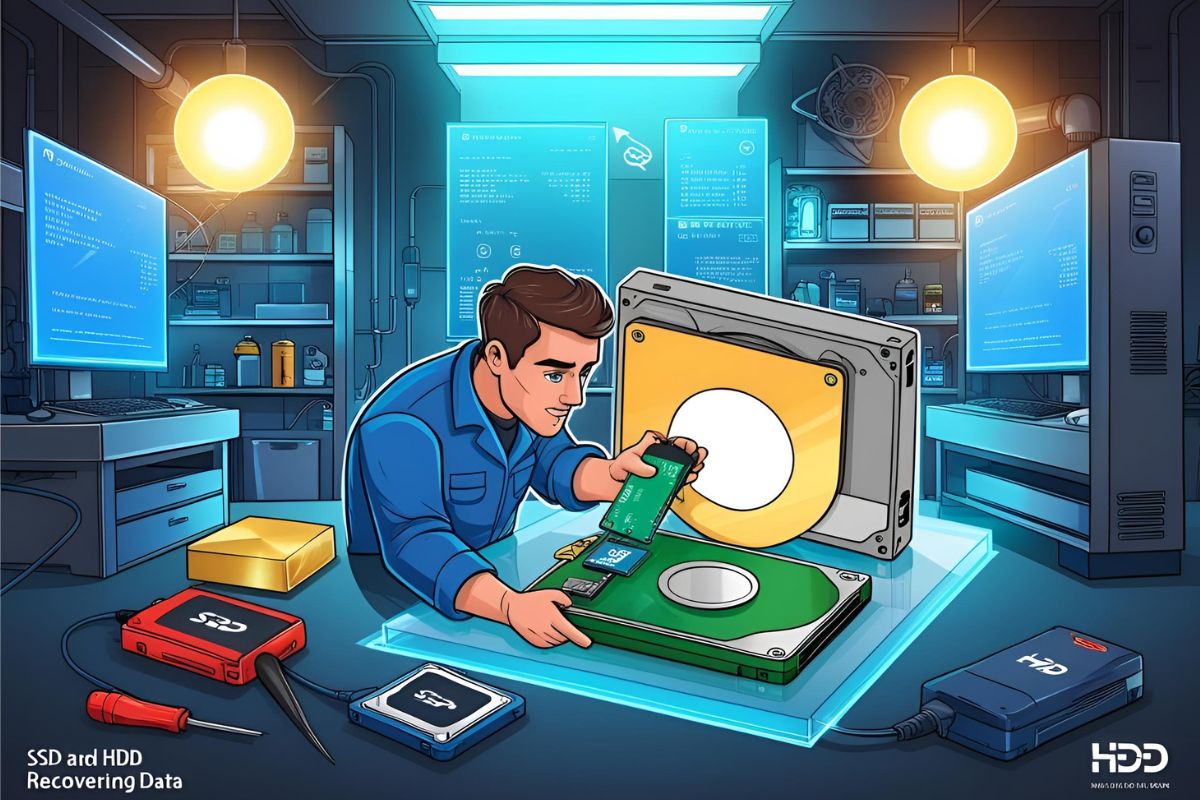
- Controller Board Replacement: Swapping the drive’s logic board with an identical donor board can restore functionality, often requiring transfer of device-specific ROM data.
- Firmware Emulation: By creating a virtual firmware environment, specialists can access the drive’s storage directly while bypassing corrupted code.
- Advanced Diagnostic Tools: Proprietary and open-source software helps pinpoint the corruption, extract firmware modules, and assist in repairs.
- Manufacturer Collaboration: Partnerships with hardware vendors provide access to official firmware utilities and support, improving success rates.
Preventing Firmware Corruption
While some causes are unavoidable, adopting preventive practices can reduce risks:
- Avoid interrupting firmware updates.
- Use only manufacturer-approved firmware versions.
- Employ UPS systems and surge protectors for critical devices.
- Control the storage environment, protecting against heat, humidity, and shocks.
- Maintain regular, up-to-date backups to safeguard against data loss.
Conclusion
Firmware corruption represents a hidden, high-stakes challenge in modern data storage. Its effects extend beyond simple file loss, potentially rendering entire devices inaccessible. Fortunately, with specialized techniques such as reflashing, controller board replacement, and firmware emulation, professional recovery is often possible.
For both individuals and organizations, awareness is key. Understanding the importance of firmware, maintaining preventive measures, and seeking expert assistance when corruption occurs can mean the difference between total data loss and successful recovery. As storage technology advances, so too will the methods for combating firmware issues, ensuring our digital assets remain secure and accessible.